A complete guide to staying legal, safe, and protected during your remodel.
1. Do You Actually Need a Permit?
Many homeowners believe permits are only for major additions, but in Ventura County, most “trade” work requires oversight. As a general rule, if you are moving walls, changing plumbing lines, or upgrading electrical circuits, you need a permit.
Common projects requiring permits in Camarillo and Oxnard:
-
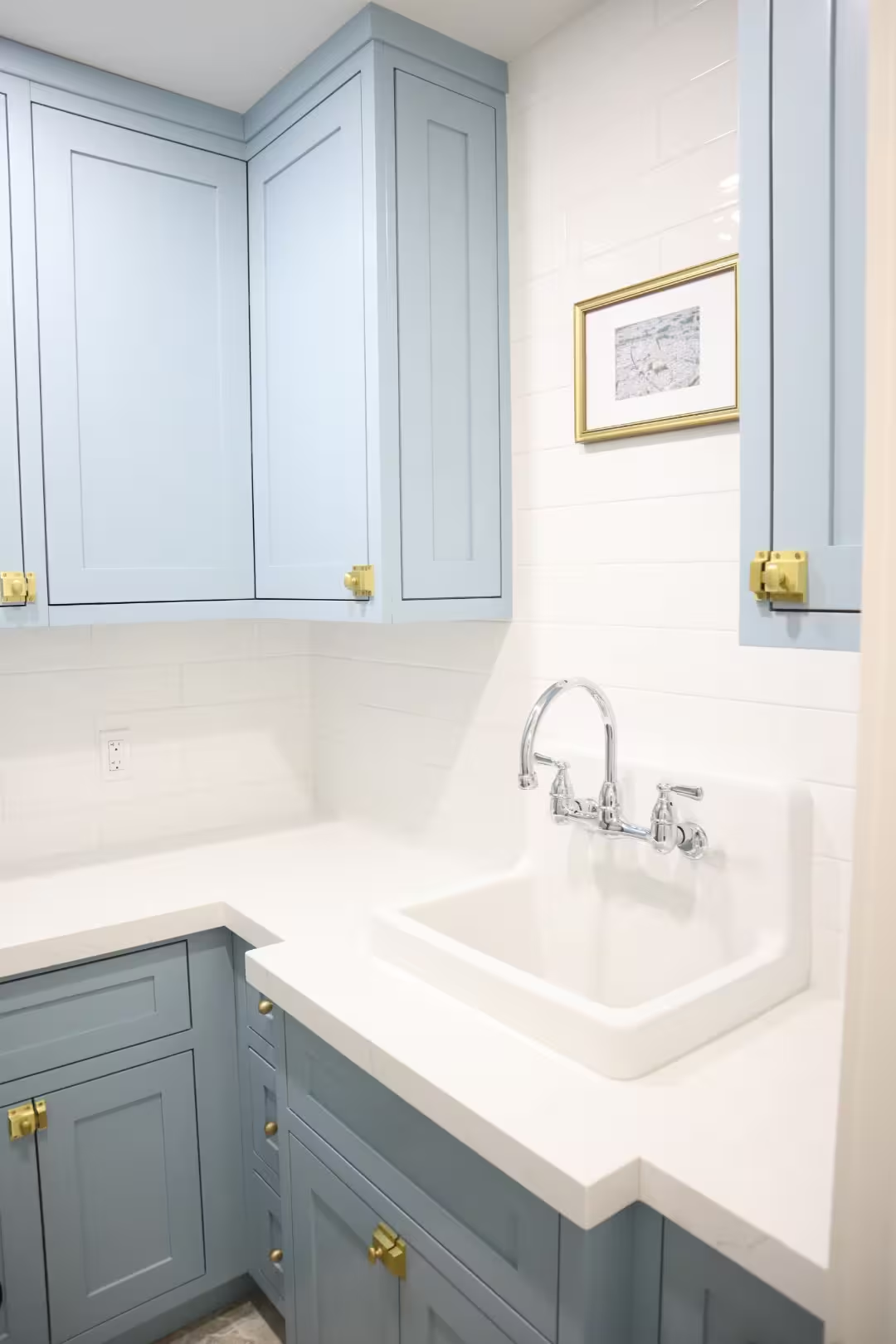
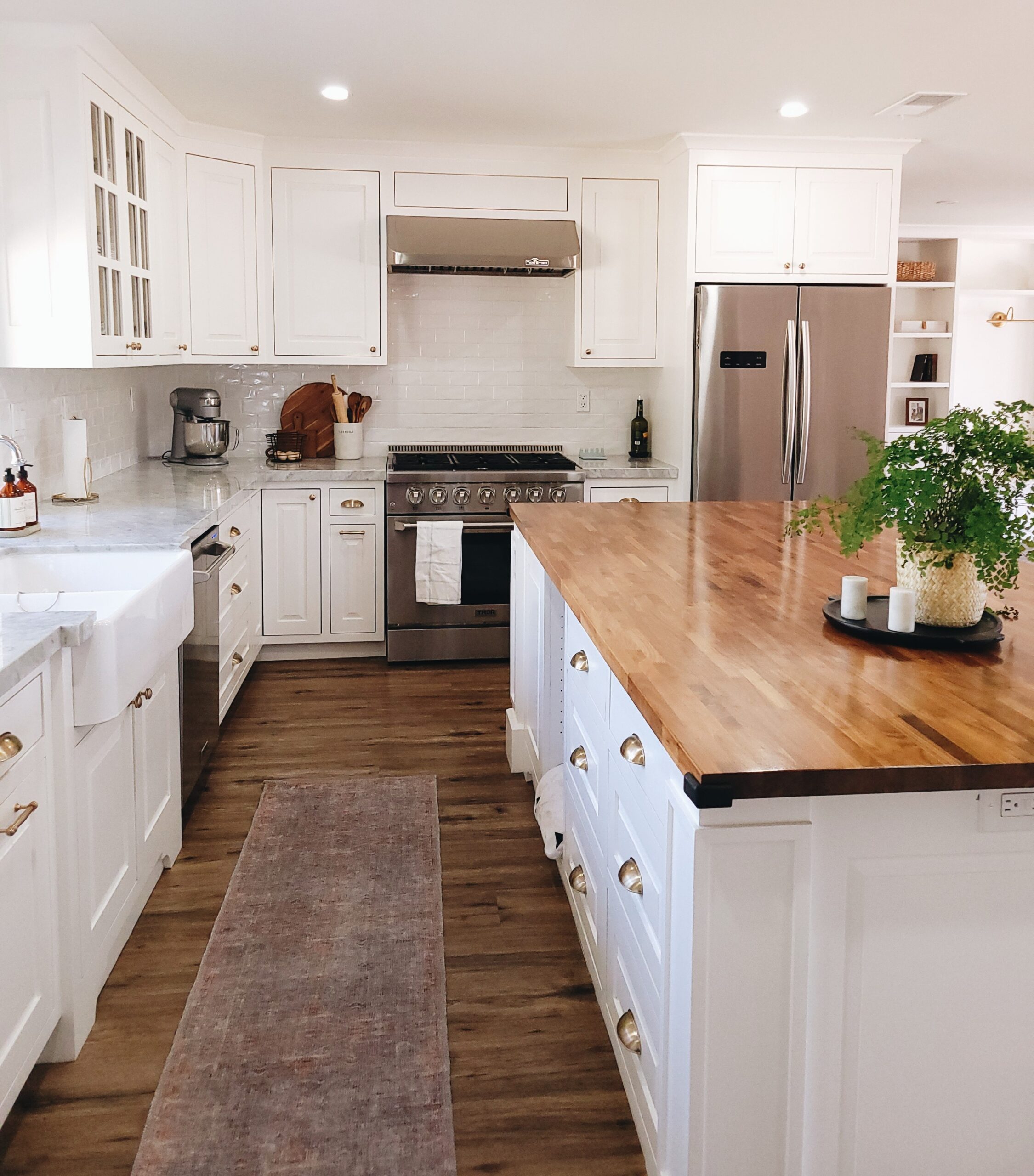
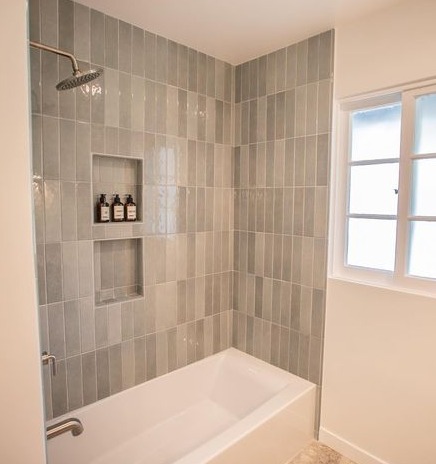
Kitchen & Bath Remodels: Especially if moving the sink, adding lighting, or replacing a water heater.
-
Window Replacements: To ensure proper “egress” (emergency exit) and energy efficiency.
-
HVAC Upgrades: New AC units or furnaces require mechanical permits.
-
ADUs and Conversions: Converting a garage into a living space is a major project with strict local requirements.
-
Decks and Fences: Depending on the height and location on the property.
2. City vs. County: Where Do You File?
One of the biggest points of confusion in our area is knowing which office has jurisdiction.
-
Incorporated Cities: If you live within the city limits of Camarillo, Oxnard, or Thousand Oaks, you apply directly at your City Hall’s Building & Safety department.
-
Unincorporated Areas: If you live in areas like Las Posas Estates, Santa Rosa Valley, or Somis, your permit must go through the Ventura County Resource Management Agency (RMA).
3. The Step-by-Step Process
Navigating the bureaucracy can be daunting. Here is the typical workflow for a permit in our region:
1. Project Design & Plans: For structural work, you’ll need “blueprints” or site plans. For simple “Express Permits” (like a water heater), plans may not be required.
2. Application Submission: You (or your contractor) submit the paperwork and pay the initial plan check fees.
3. Plan Review: City engineers review the plans to ensure they meet the California Building Standards Code.
4. Permit Issuance: Once approved, the permit is “pulled” and must be displayed at the job site.
5. Progress Inspections: A city/county inspector will visit at key stages (e.g., “rough-in” plumbing/electrical before the drywall goes up).
6. Final Inspection: Once the work is done, a final sign-off closes the permit.
4. Why You Shouldn’t Skip the Permit
It might be tempting to save money by working “under the table,” but the long-term risks are significant:
-
Resale Issues: When you sell your home, the buyer’s home inspector will check permit history. Unpermitted work can tank a sale or force you to do costly “retroactive” permitting.
-
Insurance Denials: If an unpermitted electrical DIY project causes a fire, your insurance company may deny the claim.
-
Safety: Inspections ensure your contractor followed the law regarding fire safety, structural integrity, and proper venting.
5. Local Resource Links